Things You Should Know About Your Best Friend: Questions to Ask to Understand Your Friendship
You know their coffee order and their dating history. But do you know how they think, what they're afraid of, or what they need from you when things get hard? A guide to the kind of knowledge that actually deepens a friendship.

Keepsake Team
Editorial
You know their coffee order. You know which emoji they overuse, which songs they play on repeat, and exactly how long it takes them to respond to a text when they're annoyed. You could probably describe their dating history from memory.
But here's a question worth sitting with: do you actually know how your best friend thinks? What they're afraid of? What they need from you when things get hard, not just what they'll ask for?
Most of us confuse familiarity with understanding. We know the facts of someone's life, the timeline, the preferences, the stories they tell at parties. But the things that actually matter in a friendship run deeper than trivia. They're about patterns, not data points. And they require a different kind of conversation to uncover.
This is a guide to the things you need to know about the person closest to you, and how to get there if you don't yet.
What Your Best Friend Knows About You (And What They Don't)
Think about what your bestie could tell a stranger about you. They'd probably nail the basics: your job, your family situation, your taste in music, the thing that happened at that party in 2019. They might even describe your personality with surprising accuracy.
But could they tell that stranger what keeps you up at night? What you're quietly insecure about? The version of yourself you're most afraid of becoming?
There's a layer of knowledge that only surfaces when someone asks the right questions, and most of us never think to ask. We assume that because we've spent years alongside someone, we always know what matters. We recognize their laugh from across a room but couldn't name the last thing that made them cry.
That gap isn't a failure of the friendship. It's the natural limit of what you learn passively. Closing it takes something deliberate: the willingness to ask about the stuff that doesn't come up on its own.
Your Best Friend's Personality Beyond the Surface
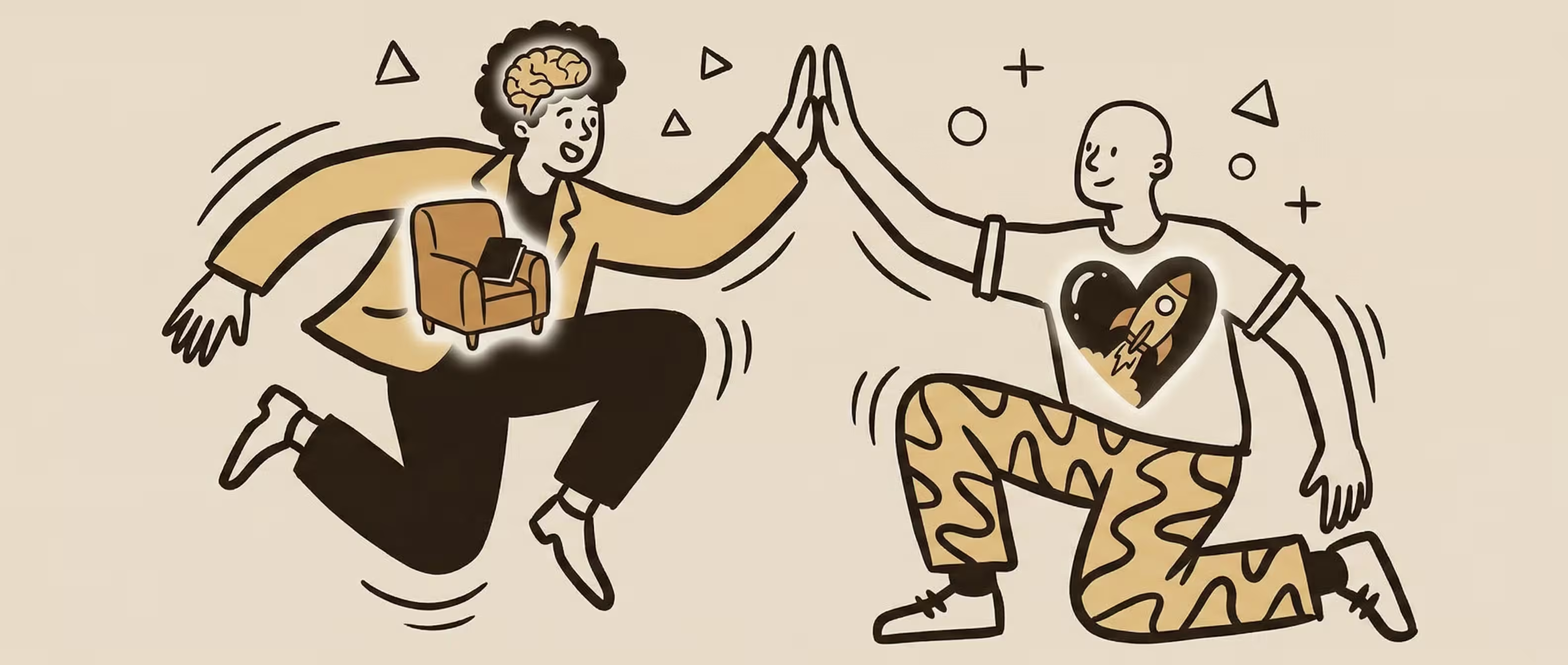
Everyone has a version of themselves they show the world and a version they keep private. The most revealing traits aren't the ones on display in group settings. They're the patterns you notice only after years of paying attention.
How do they handle disappointment? Not the big, dramatic kind, but the small, Tuesday afternoon variety: a plan that fell through, a message that went unanswered, a day that just didn't go their way. What expression crosses their face in the half-second before they decide how to react?
These are the characteristics that make someone who they are. Not the personality they perform, but the one that shows up when they think nobody is watching. The way they go quiet before they're about to say something honest. The specific kind of tired they get when they've been around people too long.
Knowing someone at this level means learning to read the signals they don't broadcast. It's the difference between knowing what they like and knowing how they work.
Memories That Shaped Who They Are
Everyone carries a handful of memories that explain more about them than any personality quiz ever could. The story behind why they flinch at a certain tone of voice. The year everything changed. The person who let them down in a way they never fully got over.
Some of these stories you've probably heard. Others, they might not have the words for yet, or they've never been asked directly enough to try. You can often describe someone's present behavior perfectly without understanding the past that built it.
If you want to know your best friend better, start with the memories they return to most. Not just the funny ones they tell at dinner, but the ones that shaped how they see themselves and the world around them.
What Trust Actually Looks Like in a Friendship
Trust isn't one big declaration. It's dozens of small, unglamorous choices made over time. It's who you call first when something falls apart. It's knowing someone will tell you the truth even when it's uncomfortable, without judgment, and without making it about themselves.
A genuine friendship becomes stable not because nothing goes wrong, but because both people have proven, repeatedly, that they can handle the hard parts. You confide something vulnerable and they don't flinch. They share something messy and you don't pull away. Over time, these moments stack into something that feels unshakable.
But trust also has texture. You might trust someone completely with your secrets and still not trust them to be on time. You might trust their loyalty but not their advice about relationships. Knowing the specific shape of your trust, where it's strong and where it wobbles, tells you something real about the relationship.
How a Good Person Shows Up for Their Best Friend
Showing up isn't just being present. It's knowing the difference between when someone needs to vent and when they need you to fix something. It's recognizing when they want company and when they want to be alone, even if they haven't said so.
A good person in a friendship pays attention to what goes unsaid. They notice when the energy shifts. They care enough to ask "are you actually fine?" instead of accepting the first answer. This kind of attentiveness isn't a personality type. It's a practice, and it gets better the more you understand about the specific person you're showing up for.
Things Your Best Friend Might Dislike But Will Never Bring Up
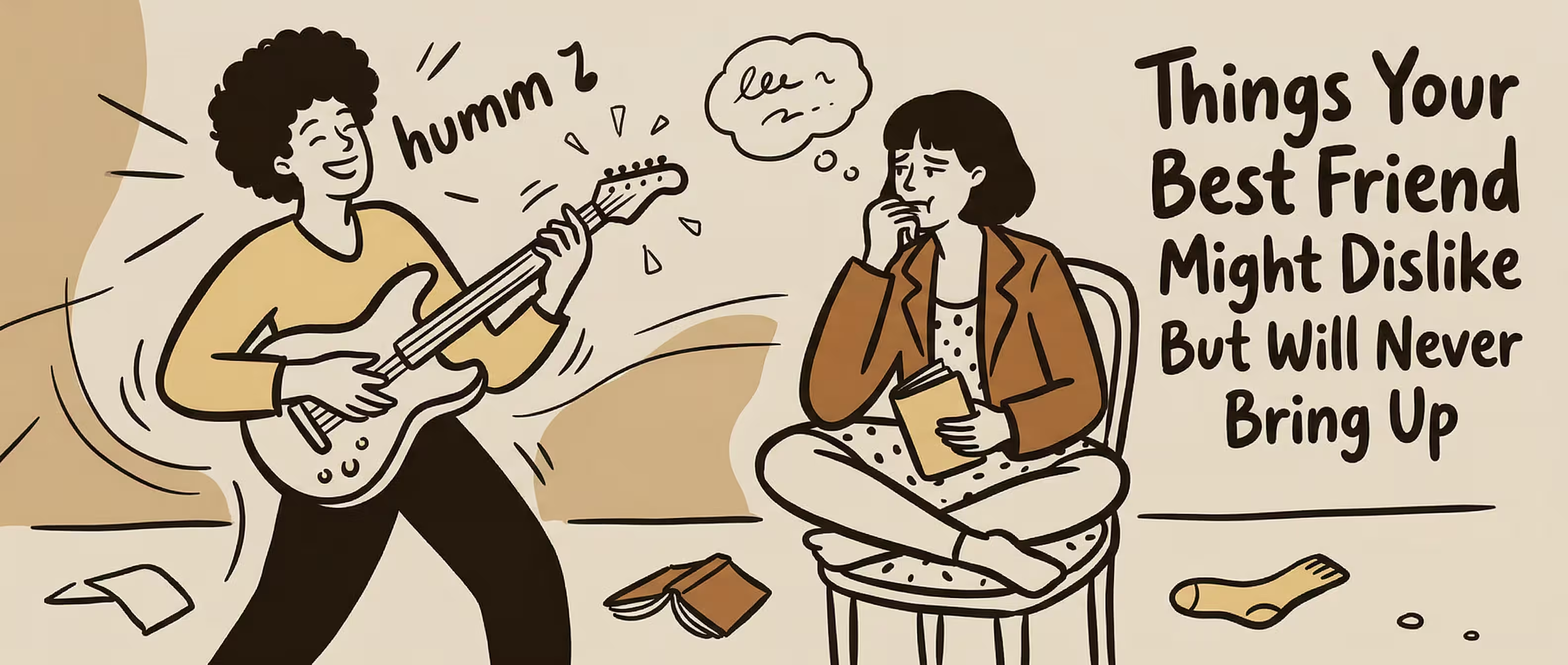
Every friendship has a collection of unspoken tolerances. Small things that bother one person but never get raised because they feel too petty, too risky, or just not worth the awkwardness.
Maybe they dislike how you dominate the conversation when you're excited. Maybe it stings a little when you cancel plans last minute, even though they always say it's fine. Maybe jealousy surfaces sometimes, quietly, when something in your life is going well and theirs isn't, and they'd never admit it because they know it's irrational.
These aren't friendship-ending issues. But left unaddressed, they can slowly erode the bond between two people without either of them understanding why things feel slightly off. The friction builds in silence.
The fix isn't to interrogate them about every possible grievance. It's to build the kind of relationship where honesty doesn't require bravery. Where someone can say "that actually bothered me" without it becoming a crisis. Where you engage with the discomfort instead of letting it sit.
Questions to Ask Your Best Friend to Understand Them Better
You don't need a hundred questions to deepen a friendship. You need five or six good ones, asked at the right time, with genuine curiosity behind them. The kind that make someone pause before answering.
Here are a few that map to what we've covered:
- What's something about your past that explains a lot about who you are now?
- When you're going through something hard, what do you actually need from me? Not what you ask for, but what helps.
- Is there anything about our friendship you've wanted to bring up but haven't?
- What's something most people get wrong about you?
- When was the last time you felt completely understood by someone?
- What's a memory from your childhood that still affects how you see the world?
- How do you know when you can really trust someone?
These aren't conversation starters for a party. They're for a quiet night, a long drive, a moment when both of you are ready to go somewhere real. The goal isn't to get through a list. It's to follow wherever a single answer leads.
Want a bigger collection to work with? We put together 150+ questions to ask your best friend, organized from fun and silly all the way to deep and meaningful.
Fun Questions to Get to Know Each Other Better
Not every conversation about knowing someone needs to be heavy. Sometimes the lighter questions reveal just as much, especially when the answers make you laugh.
- What's the most hilarious lie you told as a kid that somehow worked?
- If you could only eat one cuisine for the rest of your life, what makes me feel like you'd somehow still pick wrong?
- What's a talent you're secretly convinced you have but have never actually proven?
- What would your Netflix algorithm say about you as a person?
- If our friendship had a theme song, what would it be?
The best fun questions aren't generic icebreakers. They're specific enough to spark a real answer and relaxed enough that nobody feels like they're being interviewed.
How to Build This Kind of Friendship with New Friends
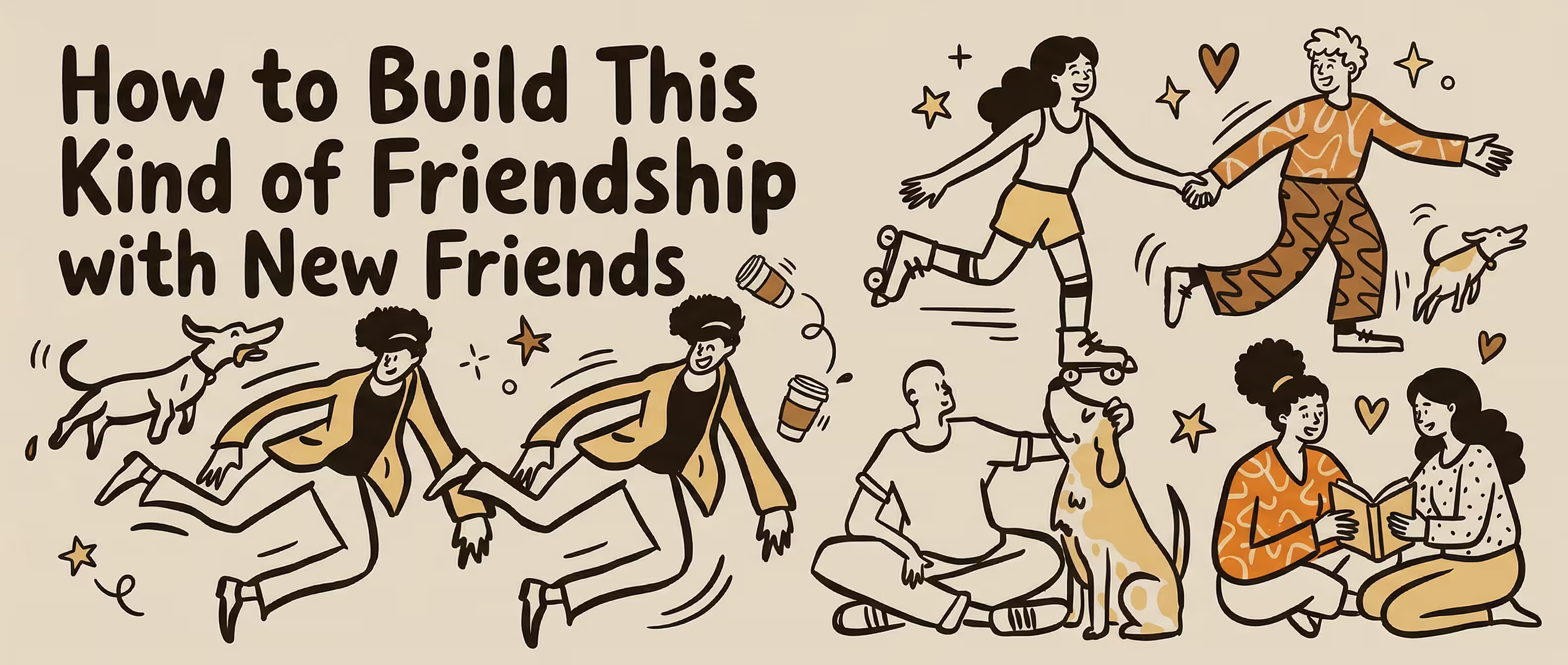
Deep friendships don't require decades of shared history. They require intentionality. And if you're finding new connections as an adult, you probably already know that depth doesn't happen by accident anymore. There's no school hallway or dorm room forcing proximity. You have to choose it.
The framework is the same whether you've known someone for ten years or ten weeks: pay attention, ask real questions, and be willing to go first with honesty. New friends won't know your history, which means you get to decide which parts to share and when. That's not a limitation. It's an invitation to be deliberate about what kind of friendship you want to build.
What changes with newer connections is the pacing. You don't jump to "what are you afraid of?" on the third hangout. But you can move past "what do you do for work?" faster than you think, if you're willing to engage with the person instead of just the small talk.
The friendships that enrich your life most are rarely the ones that happened to you. They're the ones you built on purpose.
Why Your Best Friend Relationship Deserves to Be Remembered
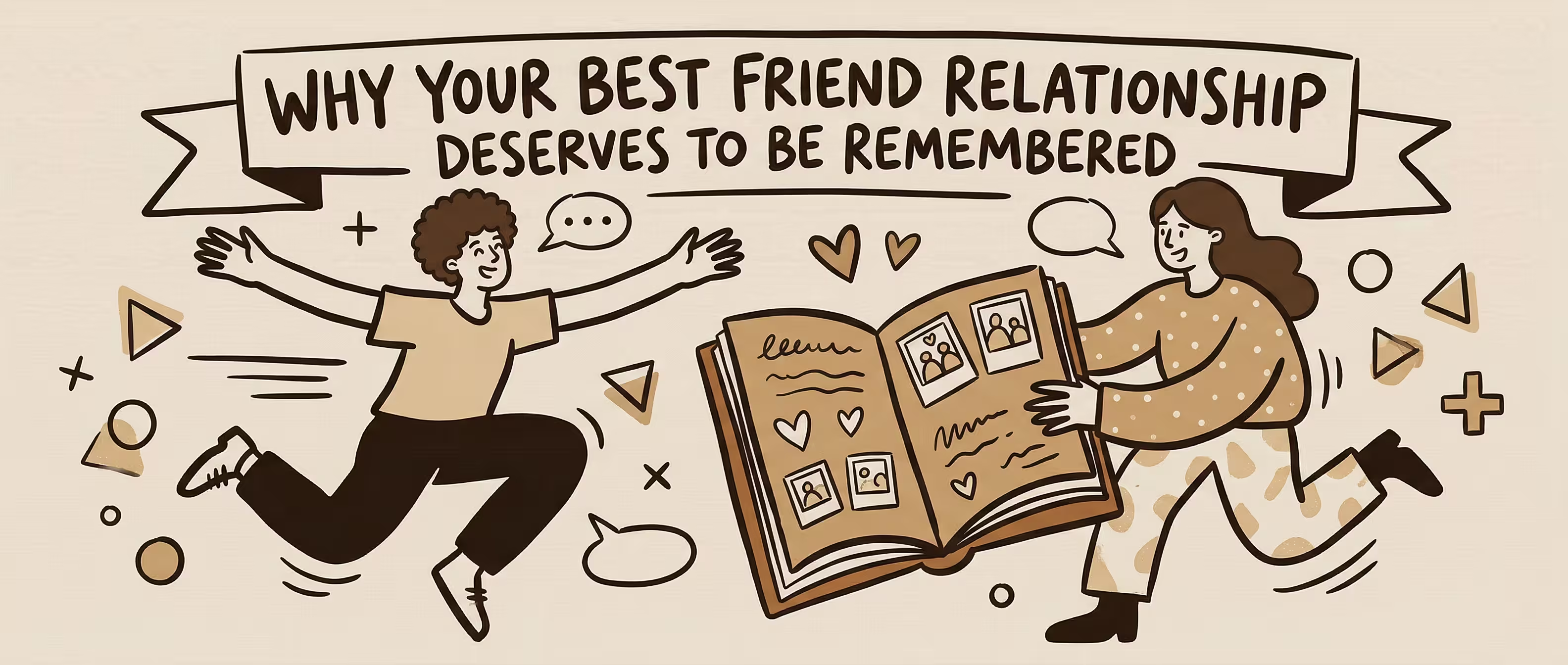
Here's what usually happens with the best conversations: you have them, they matter, and then the details fade. A year from now, you'll remember that you talked about something important on that drive home, but not exactly what was said. The specifics dissolve, and what's left is a feeling without a record.
That's a loss worth preventing.
The things you learn about the people closest to you, their memories, their fears, the way they describe what matters to them, are worth keeping somewhere more permanent than your own memory. Not as a scrapbook exercise, but as something your friendship can return to and build on. A way to deepen your bond over time instead of letting the conversations disappear.
Keepsake lets you do exactly this. You can invite your best friend into a shared project where you both answer questions, tell stories, and build a living record of your friendship. Think of it as a place where the conversations you're having right now actually get preserved. You can also create a project about your besties as a gift: a collection of questions about their life, their memories, and the things that make them who they are.
If you're looking to know your best friend better, start with a conversation. But if you want what you learn to last, give it somewhere to live. The best friendships aren't just about the moments you share. They're about caring enough to remember them.


